 City of Racine
City of Racine
City of Racine
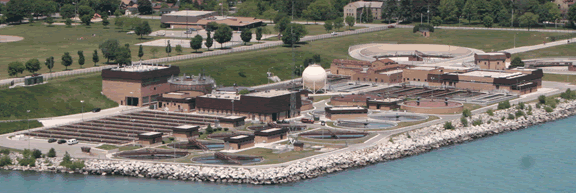

Public wastewater systems must regularly show that the water they discharge meets environmental and health standards by testing for specific contaminants.
To comply with federal monitoring rules and demonstrate regulatory compliance, only EPA-approved analytical methods may be used when analyzing wastewater samples. These approved methods are adopted by the State of Wisconsin. Each year, laboratories must analyze proficiency samples to determine the correct concentration of various compounds. Accurate results are essential for a lab to achieve and maintain registered or certified status with the state.
Biochemical Oxygen Demand (BOD) measures how much oxygen is needed by aerobic microorganisms to break down organic matter in water—typically from pollution sources like sewage. It’s a key indicator of water pollution, showing how much oxygen will be used to fully digest the remaining organic material in treated wastewater. In ideal conditions, BOD would be zero.
BOD is one of the most widely used indicators of organic pollution in water. It reflects the amount of biodegradable material present: low BOD means cleaner water, while high...
Cyanide is an industrial waste, typically used in metal plating operations. Any measurable cyanide in the wastewater would be from an untreated industrial source. Industries that may be using cyanide are in the pretreatment program, and subject to stringent discharge limits.
Hardness is a measurement of calcium and magnesium. Hardness in measured in the wastewater plant discharge on a quarterly basis.
Nitrogen is an essential ingredient in the formation of proteins for cell growth. From complex organisms like animals to the simple bacteria used to treat wastes in an activated sludge treatment facility, every living thing needs some form of nitrogen to survive.
But too much nitrogen freely available in the environment can be a bad thing. Excess nitrogen discharged into our waterways can contribute to the gradual change of water bodies into marshes, meadows, and forests. It can also contribute to massive algae blooms leading...
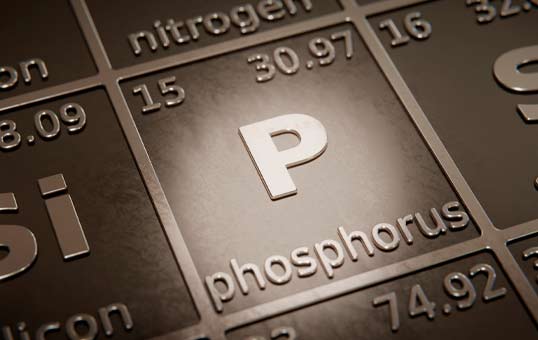
Total Phosphorus is the total concentration of phosphorus found in the wastewater.
Phosphorus is a nutrient and acts as a fertilizer, increasing the growth of plant life. Phosphorus comes from several sources: human wastes, animal wastes, industrial wastes, and human disturbance of the land and its vegetation. Sewage from wastewater treatment plants and septic tanks is one source of phosphorus in rivers and lakes.
Phosphorus can be removed from wastewater by various means. The Racine Wastewater Treatment Plant removes phosphorus with ferric chloride, greatly reducing...
Total Suspended Solids is a water quality measurement usually abbreviated as TSS. It is listed as a conventional pollutant in the U.S. Clean Water Act. It is a measure of the amount of small, particulate solid pollutants that are suspended in wastewater after treatment. Ideally, suspended solids would be zero.
These particles suspended in water will not pass through a filter. Suspended solids are present in sanitary wastewater and many types of industrial wastewater. TSS can include a wide variety of organic and inorganic material,...
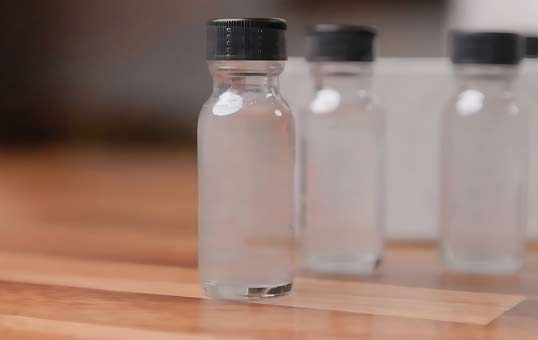
Total Solids is a measurement of the inorganic and organic substances in a sample. Total solids testing is used for plant operation and control, to control chemical addition, and to measure the amount of solid material being hauled from the plant.
Low levels of various metals can be found in the wastewater entering the treatment plant. Metals in the influent are primarily contributed by industrial discharge. The pretreatment program which was started in 1984 resulted in a dramatic decrease in the amount of metals discharged to the treatment plant. Most metals settle during the wastewater treatment process and are removed with the biosolids. Since biosolids are often spread on farm fields, low metal concentrations are important. The Wisconsin DNR has established a low level of metals in biosolids that is called High Quality Standard biosolids. The biosolids from the Racine Wastewater Treatment Plant meet all of the concentration limits needed to be considered High Quality Standard, and has earned that rating since 1985.